

How Video Surveillance Actually Prevents Crime (Not Just Records It) - Prudential Alarm
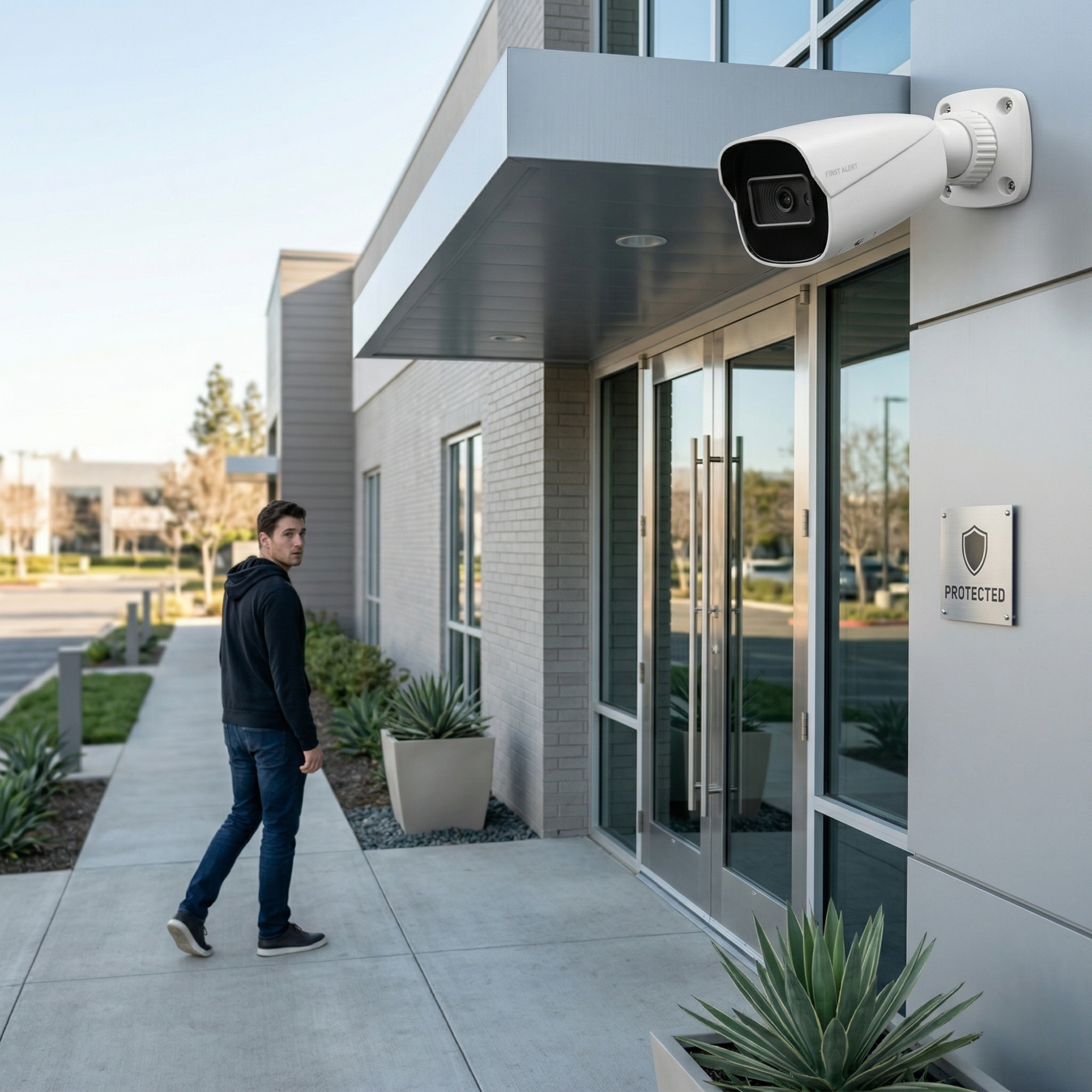
Many people think security cameras are only useful after something goes wrong.
In reality, modern video surveillance systems are one of the most effective tools for preventing crime before it even happens.
The Misconception About Surveillance
It’s a common belief that cameras are only there to record incidents for later review. While they do provide valuable footage, that’s just one part of their role.
Today’s systems are designed to:
Deter criminal behavior
Detect suspicious activity in real time
Trigger immediate responses
This shift from passive recording to active prevention is what makes video surveillance so powerful.
The Power of Visible Deterrence
One of the most immediate ways surveillance prevents crime is through visibility.
When cameras are clearly present:
Potential intruders are less likely to target the property
Opportunistic crimes are discouraged
Individuals are more likely to follow rules and policies
Criminals typically look for easy targets. A well-monitored property signals that risk is higher, often causing them to move on.
Real-Time Monitoring and Rapid Response
Modern surveillance systems can be connected to live monitoring services, allowing activity to be observed as it happens.
This enables:
Immediate verification of suspicious behavior
Faster response from security teams or authorities
Reduced damage or loss during an incident
Instead of discovering a problem after the fact, you can intervene while it’s happening.
Smart Technology That Detects Threats
Advancements in technology have made surveillance systems more intelligent than ever.
Features may include:
Motion detection alerts
Object recognition
Activity zone monitoring
Mobile notifications
These tools help filter out normal activity and highlight potential threats, ensuring attention is focused where it matters most.
Strategic Camera Placement Matters
Not all surveillance systems are equally effective. Placement plays a critical role in prevention.
Key areas to monitor include:
Entry and exit points
Parking lots and exterior spaces
High-value storage areas
Low-visibility or isolated zones
Proper positioning ensures there are no blind spots and that cameras capture useful, actionable footage.
Supporting Accountability and Behavior
Surveillance doesn’t just impact external threats—it also influences behavior internally.
In business environments, cameras can:
Encourage adherence to safety protocols
Reduce internal theft or misconduct
Provide oversight in critical areas
When people know activity is being monitored, they are more likely to act responsibly.
Integration With Other Security Systems
Video surveillance becomes even more effective when integrated with other security solutions.
For example:
Alarm systems can trigger recording or alerts
Access control systems can link entry events to video footage
Mobile apps allow remote viewing and system management
This creates a layered approach where each system supports the others, strengthening overall protection.
The Role of Video Evidence
While prevention is the goal, recorded footage still plays an important role.
Video evidence can:
Assist law enforcement investigations
Support insurance claims
Help resolve disputes
Having clear, time-stamped footage ensures that if an incident does occur, you’re prepared to respond effectively.
Signs Your Surveillance System May Not Be Effective
If your current setup isn’t actively preventing crime, it may need improvement.
Look for warning signs such as:
Cameras with limited or unclear coverage
No real-time alerts or monitoring
Outdated equipment or poor image quality
Lack of integration with other systems
Even small gaps can reduce the effectiveness of your system.
Why Professional Installation Makes a Difference
A professionally designed surveillance system ensures that every component is working toward prevention—not just recording.
This includes:
Strategic camera placement
High-quality equipment selection
Proper system integration
Ongoing support and monitoring
Every property has unique security needs, and a customized approach helps ensure your surveillance system is as effective as possible.
Take a Proactive Approach to Security
Video surveillance is no longer just about documenting what happened—it’s about stopping incidents before they occur.
With the right system in place, you can:
Deter criminal activity
Respond to threats in real time
Maintain a safer environment for everyone on your property
Contact Prudential Alarm today to learn how a professionally designed video surveillance system can help prevent crime and protect your property.
📞 (800) 701-9111