

Why Every Business Should Conduct a Security Audit (And What to Look For) - Prudential Alarm
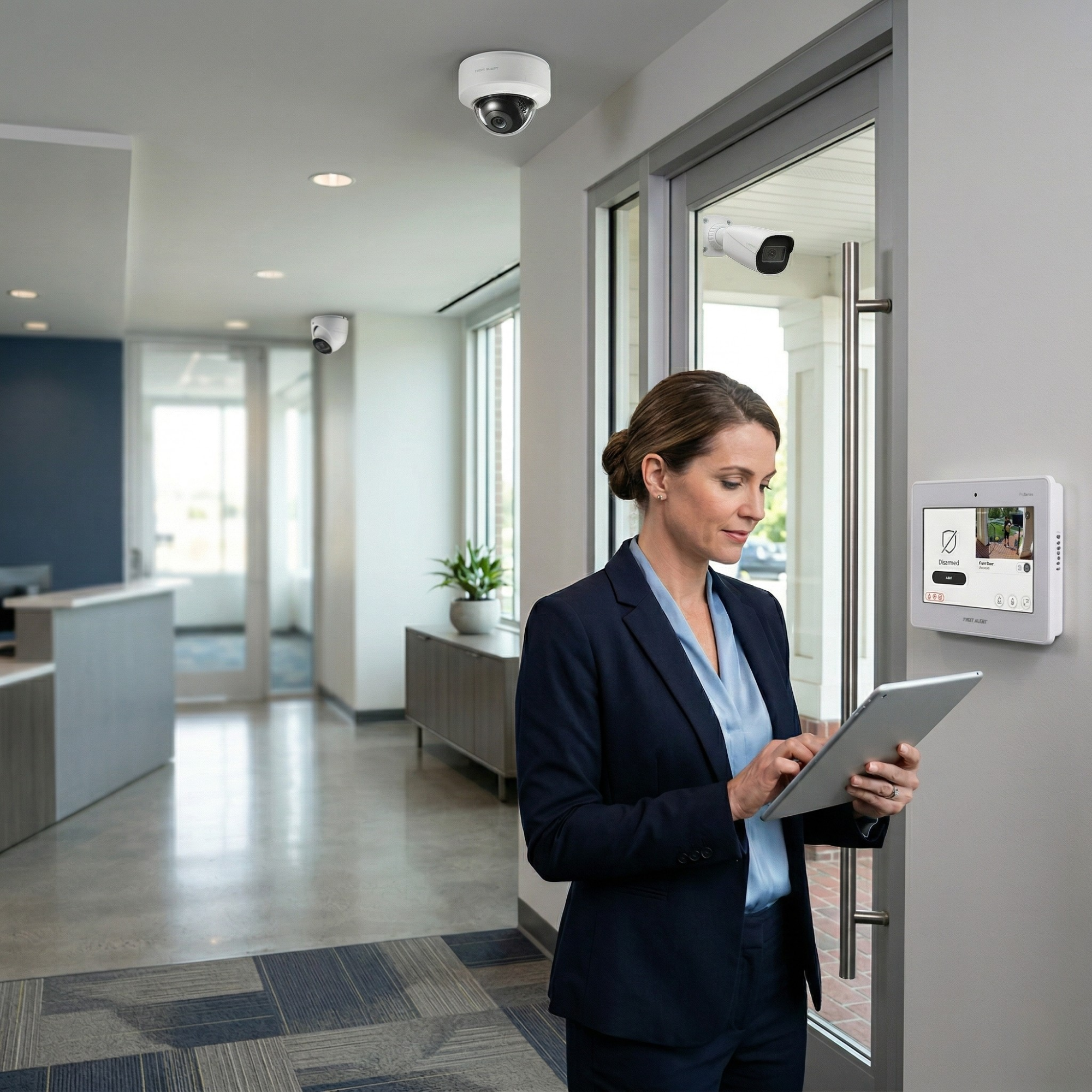
Many businesses assume their security systems are “good enough”—until a vulnerability is exposed.
The reality is that hidden gaps in your security can go unnoticed for years, leaving your property, employees, and assets at risk.
What Is a Security Audit?
A security audit is a comprehensive evaluation of your current security measures, designed to identify weaknesses, inefficiencies, and opportunities for improvement. For businesses, this goes beyond simply checking if cameras or alarms are installed—it’s about understanding how well your entire system works together.
A proper audit examines:
Physical security (doors, locks, entry points)
Surveillance systems (camera placement and coverage)
Alarm systems and monitoring
Access control permissions
Internal processes and employee access
The goal is simple: ensure every layer of your security is working effectively and cohesively.
Why Security Audits Are Often Overlooked
Many business owners install a system and assume the job is done. Over time, however, businesses evolve—layouts change, staff grows, and technology advances.
Without regular evaluation, this can lead to:
Outdated equipment
Blind spots in camera coverage
Former employees retaining access
Systems that don’t integrate properly
These gaps are rarely obvious until something goes wrong.
The Hidden Risks of Skipping a Security Audit
Failing to regularly assess your security system can expose your business to more than just theft.
Some of the most common risks include:
Unauthorized access due to outdated credentials
Liability issues if an incident occurs without proper monitoring
Loss of evidence from poor camera placement or outdated systems
Operational disruptions following a breach or system failure
In many cases, the cost of these issues far outweighs the investment in preventative measures.
What a Professional Security Audit Should Include
A thorough audit doesn’t just identify problems—it provides actionable solutions. Here’s what a professional evaluation typically covers:
1. Entry Point Analysis
Every door, window, and access point should be evaluated for vulnerability.
2. Camera Coverage Review
Are there blind spots?
Are cameras positioned for identification, not just visibility?
Is footage clear and accessible?
3. Alarm System Performance
Are alerts being triggered properly?
Is monitoring active and responsive?
Are there false alarms or missed signals?
4. Access Control Assessment
Who has access to what areas?
Are permissions up to date?
Is there a clear audit trail?
5. System Integration Check
Modern security works best when systems communicate. Disconnected tools can lead to missed threats.
Signs Your Business Needs a Security Audit
Not sure if it’s time for an audit? Here are a few indicators:
You’ve recently expanded or remodeled
Employee turnover has been high
Your system hasn’t been updated in years
You’ve experienced a security incident (even a minor one)
You’re unsure who has access to your building or systems
Even one of these can justify a closer look.
The Benefits of a Proactive Approach
Conducting regular security audits doesn’t just reduce risk—it improves overall business operations.
Benefits include:
Increased employee safety
Better control over access and permissions
Improved incident response times
Greater peace of mind for owners and managers
Most importantly, it allows you to stay ahead of potential issues rather than reacting to them after the fact.
Why Professional Evaluation Matters
While it’s possible to review some aspects of your system internally, a professional security provider brings a level of expertise that’s difficult to replicate.
They can:
Identify vulnerabilities you may not notice
Recommend updated technology tailored to your needs
Ensure compliance with current safety standards
Design a system that grows with your business
Every business has unique risks, and a one-size-fits-all approach to security often leaves critical gaps.
Take the Next Step Toward a Safer Business
A security audit is one of the most effective ways to protect your business, employees, and assets. Whether your system is brand new or several years old, regular evaluations ensure you’re not leaving anything to chance.
If you’re unsure where your current system stands, a professional assessment can provide clarity and direction.
Contact Prudential Alarm today to schedule a security audit and ensure your business is fully protected.
📞 (800) 701-9111