

Beyond the False Alarm: What "Visual Verification" Means for Faster Police Response - Prudential Alarm
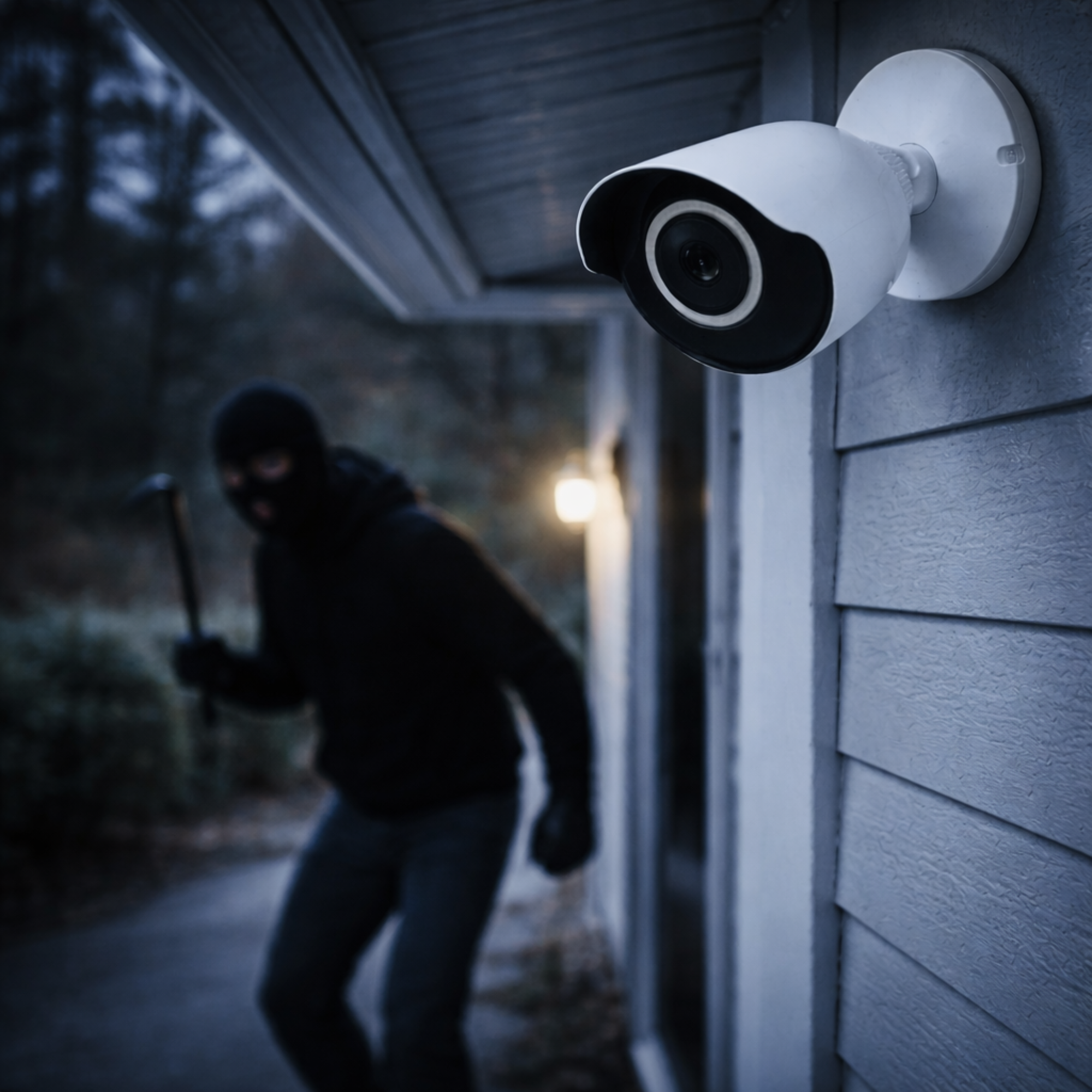
In many parts of the Midwest, law enforcement is facing a staggering statistic: nearly 98% of burglar alarm calls turn out to be false.
For business owners and homeowners in Michigan and Ohio, this has created a “cry wolf" effect that can lead to delayed response times and mounting fines.
To combat this, the security industry has shifted toward Visual Verification. This technology doesn’t just signal that an event happened; it provides the context required to trigger a high-priority emergency response.
1. The Science of Priority: TMA-AVS-01 Standards
Most people don’t realize that 911 dispatchers use a specific grading scale for alarms. A national standard, known as TMA-AVS-01, helps police categorize alarms based on the level of “certainty."
- Level 0 (No Confidence): A standard alarm with no video or audio proof. This is often treated as a low-priority “service call."
- Level 2–4 (Verified Confidence): When a professional operator at Prudential Alarm can see a person on-site, the alarm is upgraded.
- The Result: Confirmed crimes are treated as “Burglaries in Progress." This is the difference between a police car arriving in 4 minutes versus 45 minutes.
2. How It Works: The 10-Second “Decision Window"
When your alarm is triggered, the process happens in seconds:
- The Trigger: A sensor detects motion or a door opening.
- The Clip: Your system instantly captures a 10-second video clip of the event (including the seconds before the alarm went off).
- Professional Review: The clip is sent to our 24/7 monitoring center. A trained operator reviews the footage immediately.
- Verified Dispatch: If a threat is seen, the operator contacts 911 and provides an eyewitness account: “We have visual confirmation of two intruders in the loading dock wearing masks."
3. The Role of AI in Reducing “Nuisance" Alerts
Modern systems used by Prudential Alarm use Object Classification. The system is smart enough to ignore:
- Animals (deer, dogs, or birds)
- Headlights from passing cars
- Environmental changes like wind, rain, or moving shadows
By filtering out the vast majority of these “nuisances," we ensure that when your phone rings or the police are called, it is for a legitimate reason.
4. Frequently Asked Questions (FAQ)
Q: Does visual verification violate my privacy?
A: No. Our monitoring operators cannot look at your cameras whenever they want. They are only granted access to a specific 10-second clip if and only if an alarm sensor is triggered. Your privacy remains protected during normal daily operations.
Q: Will this actually lower my insurance premiums?
A: Many commercial insurance providers offer discounts for “UL-Listed Video Verification." Because these systems reduce the risk of a “total loss" by catching events earlier, they are seen as a lower risk for the insurer.
Q: What happens if the internet goes out?
A: Our systems utilize cellular backup and “edge storage." This means that even if your primary internet fails, the alarm signal and critical images can still reach our monitoring center via encrypted cellular networks.
Is Your Security System Still “Blind"?
A security system without video verification is like a car without headlights, it might move, but it can’t see where it’s going. In 2026, the only way to ensure your business or home gets the priority response it deserves is through visual proof.
Ready to secure your property with the latest in monitoring technology?
Contact Prudential Alarm for a consultation today.
Visit prudentialalarms.com/contact-us or call us at (800) 252-0368.