

The "Safe Room" Evolution: Modern Tech for High-Security Residential Zones - Prudential Alarm
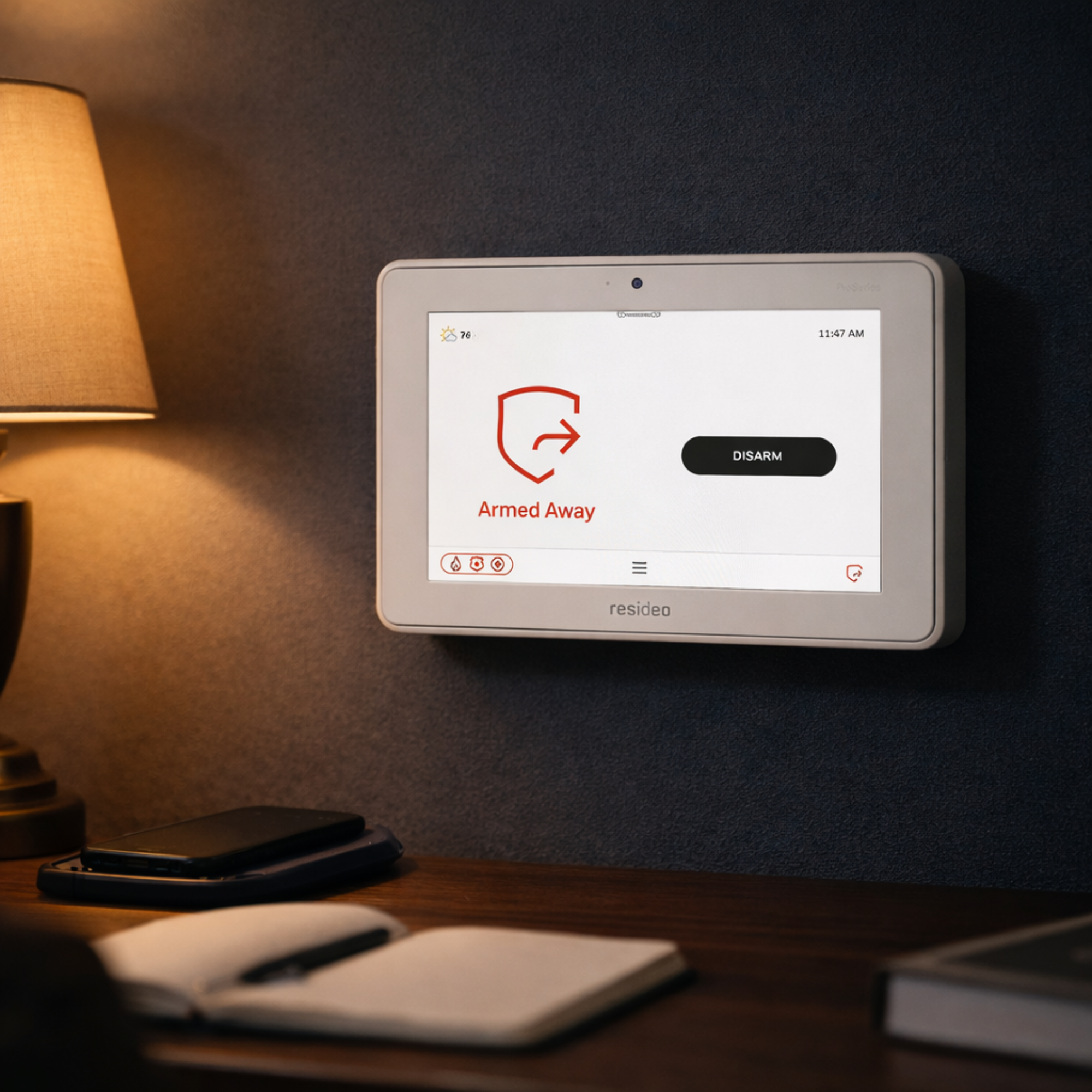
For many homeowners in Michigan and Ohio, home security is about keeping intruders out of the house.
But what happens if a perimeter is breached while you are inside?
In the security industry, we are seeing a significant shift toward the “Safe Room" evolution. creating a designated, high-security zone within the home where families can retreat and communicate with emergency services in total safety.
Modern safe rooms are no longer just for the ultra-wealthy, and they don’t have to look like concrete bunkers. With today’s technology, any master suite, large closet, or home office can be transformed into a sophisticated high-security command center.
1. More Than Just a Locked Door
A modern safe room starts with physical reinforcement, but it is finished with integrated technology. The goal is to create a room that an intruder cannot enter, but from which the homeowner can still control the entire house.
Reinforced Entry: This involves replacing a standard interior door with a solid-core door, reinforced steel frames, and long-throw deadbolts.
Ballistic Finishes: Many modern safe rooms use Kevlar or ballistic fiberglass panels hidden behind the drywall, providing protection without changing the room’s aesthetic.
2. The Art of Discreet Security
One of the biggest hurdles for homeowners is the fear that a safe room will look out of place or “industrial." Modern security evolution focuses on discretion.
Hidden Keypads: Control interfaces can be tucked behind artwork or inside custom cabinetry, ensuring the room feels like a normal living space until it’s needed.
Invisible Reinforcement: Using high-grade steel hinges and strike plates that are recessed into the frame allows a reinforced door to look identical to every other door in your hallway.
The “Panic" Trigger: Instead of a big red button, we can install “silent" triggers, such as a specific code on a keypad or a long-press on a light switch, that instantly locks the zone and alerts our monitoring center.
3. The Command Center: Centralized Tech Control
The “Evolution" of the safe room is the ability to maintain total situational awareness. From inside the safe room, you should have a secondary security interface that allows you to:
View All Cameras: Monitor the intruder’s location from a dedicated tablet or wall-mounted monitor.
Control Lighting: Use “Full Home Flash"—a feature that pulses every light in the house (interior and exterior) to disorient an intruder and signal to neighbors that there is an emergency.
Remote Locking: If the rest of the house has smart locks, you can ensure every exterior door is bolted with a single tap from your safe zone.
4. Independent Communication & Life Safety
One of the biggest mistakes in DIY security is relying on the home’s main Wi-Fi or phone lines. In a high-security evolution, your safe room needs Independent Redundancy:
Cellular Backup: A dedicated cellular path for the alarm system that doesn’t rely on the home’s router.
Independent Power: Small, dedicated battery backups (UPS) ensure that your cameras, monitors, and emergency lights stay on even if the intruder cuts the main power to the house.
Environmental Sensors: Smoke and carbon monoxide detectors specifically for the safe room ensure that you aren’t retreating into a secondary danger.
5. The “Go-Bag" and Essential Supplies
A safe room is only as effective as the supplies inside it. Since you may be in your secure zone for a period of time while waiting for a Priority 1 police response, we recommend keeping a “Safe Zone Kit" ready:
First Aid & Trauma Kit: Essential for addressing injuries sustained before reaching the room.
A Dedicated Communication Backup: Keep a fully charged cell phone or a two-way radio inside the room as a backup to your primary devices.
Basic Provisions: Small bottles of water and a set of heavy-duty flashlights in case the home’s primary electrical system is compromised.
6. The Psychological Edge
The true value of a safe room isn’t just the steel in the door; it’s the reduction of panic. When a family knows exactly where to go and has a “fortified" place to wait, the level of stress during an emergency drops significantly. This allows you to speak clearly to 911 dispatchers and provide better information, which in turn leads to a more effective police response.
Frequently Asked Questions (FAQ)
Q: Do I need to build a new room to have a safe room?
A: Not at all. Most safe rooms are retrofitted into existing master bedrooms or walk-in closets. By reinforcing the existing door and adding a dedicated security hub, we can transform a standard room into a high-security zone.
Q: Is a safe room the same as a storm cellar?
A: While they share some features, a safe room is specifically designed to protect against human threats (intruders). However, we can design a “Dual-Purpose" room that meets both security and FEMA storm standards.
Q: How do I let the police in if I am locked in a safe room?
A: Once you have verified with the dispatcher that the police are on-site, you can remotely unlock the front door from your tablet inside the safe room, allowing officers to enter without having to use force.
Protecting What Matters Most
A safe room is the ultimate peace of mind. It’s the “last mile" of home defense that ensures no matter what happens to the perimeter, your family has a secure, tech-enabled sanctuary.
Ready to evaluate your home’s high-security potential?
Contact Prudential Alarm for a consultation on safe room integration today.
Visit prudentialalarms.com/contact-us or call us at (800) 252-0368.