

What Happens When Your Alarm Goes Off? A Step-by-Step Breakdown - Prudential Alarm
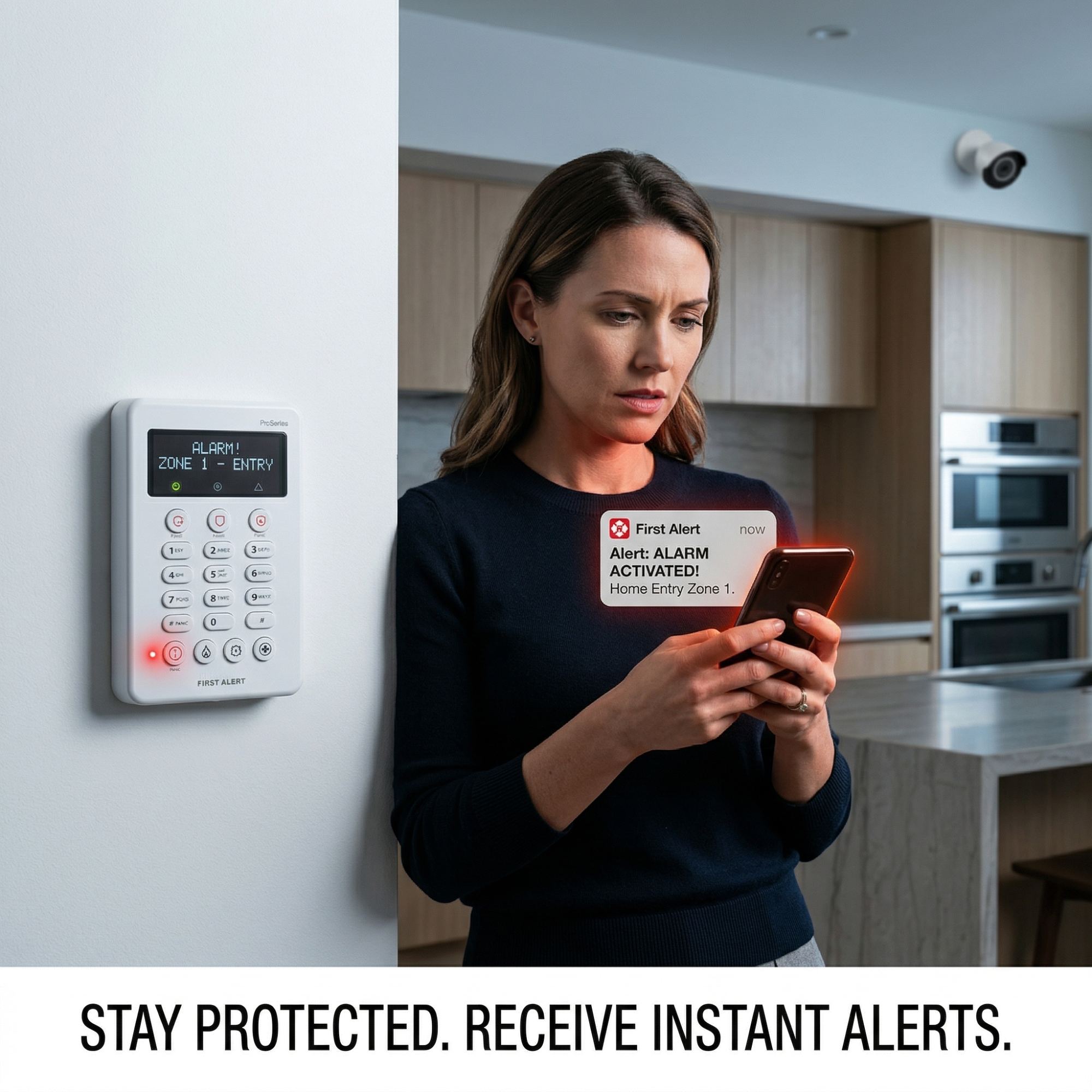
When an alarm is triggered, every second matters in determining how the situation is handled.
Understanding what happens behind the scenes can help you feel more confident in your security system and how it protects your property.
Step 1: The Alarm Is Triggered
An alarm system is activated when a sensor detects unusual activity. This could include:
A door or window being opened unexpectedly
Motion detected inside the property
Glass break sensors being triggered
Once this happens, the system immediately sends a signal to the control panel, which initiates the response process.
Step 2: The System Sends an Alert
After the alarm is triggered, the system communicates with a monitoring center or sends alerts directly to the property owner.
Depending on your setup, this may include:
Push notifications to your mobile device
Text or email alerts
Automatic signals sent to a 24/7 monitoring station
This ensures that the event is recognized right away.
Step 3: Alarm Verification
Before taking further action, many systems attempt to verify whether the alarm is a real emergency or a false trigger.
This may involve:
Reviewing live or recorded video footage
Checking sensor data
Contacting the property owner
Verification helps reduce unnecessary emergency responses while ensuring real threats are addressed quickly.
Step 4: Monitoring Center Response
If your system is professionally monitored, trained operators assess the situation in real time.
They will:
Review the incoming alert
Attempt to contact you or designated contacts
Determine whether emergency services are needed
This step is critical in ensuring the right response is taken.
Step 5: Emergency Services Are Dispatched
If the alarm is confirmed or cannot be verified, emergency services may be contacted.
This could include:
Police for potential break-ins
Fire services for smoke or heat detection
Medical assistance if applicable
The speed of this response can significantly impact the outcome of the situation.
Step 6: You Stay Informed
Throughout the process, you remain connected through your system.
You may receive:
Updates via mobile app or notifications
Calls from the monitoring center
Access to live camera feeds (if available)
This allows you to stay informed, even if you’re not on-site.
Step 7: Incident Resolution and Follow-Up
Once the situation is resolved, there may be follow-up steps to ensure your system is functioning properly.
This can include:
Resetting the alarm system
Reviewing what triggered the alert
Making adjustments to prevent future false alarms
Understanding the cause of the event helps improve overall system performance.
What Happens During a False Alarm?
Not every alarm indicates a real threat. False alarms can occur due to:
User error (incorrect system use)
Pets triggering motion sensors
Environmental factors (wind, loose doors, etc.)
Modern systems and monitoring processes are designed to minimize these occurrences while still prioritizing safety.
Why Monitoring Makes a Difference
Without professional monitoring, the responsibility to respond falls entirely on you.
With monitoring:
Alerts are handled even if you’re unavailable
Trained professionals assess the situation
Emergency services can be dispatched quickly
This added layer of support ensures your system is working for you at all times.
How to Make Sure Your System Works When It Matters
To ensure your alarm system performs effectively:
Test your system regularly
Keep contact information up to date
Understand how your system operates
Address any maintenance or performance issues
Being proactive helps ensure a smooth response during an actual event.
Confidence in Every Alert
Knowing what happens when your alarm goes off removes uncertainty and helps you trust your system.
Every property and security setup is different, and having a professionally designed and monitored system ensures the most reliable response when it matters most.
With the right system in place, you can feel confident that any alert—whether real or false—is handled quickly and appropriately.
Contact Prudential Alarm today to learn more about reliable alarm systems and 24/7 monitoring for your home or business.
📞 (800) 701-9111